The Ultimate Guide to Sales Funnel Builders: Grow Your Online Business

A sales funnel builder helps you create and connect the pages, forms, offers, checkout steps, automations, and follow-up paths that turn visitors into leads and customers. Instead of sending people through a scattered mix of landing pages, payment links, email tools, spreadsheets, and unfinished automations, a funnel builder gives you a more intentional path from first click to purchase.
If you are a founder, coach, course creator, consultant, marketer, or small team trying to sell online, the problem is rarely just needing another landing page. You may already have traffic, an offer, and a rough idea of what you want people to do next. The friction starts when every step lives in a different tool and you are suddenly spending more time wiring software together than improving the offer.
That is where funnel software can help. The right platform can make your customer journey easier to build, easier to track, and easier to improve. But the best sales funnel builder is not automatically the one with the biggest feature list or the loudest reputation. Many businesses do not need more software power. They need clearer funnel logic, fewer disconnected tools, and a platform they can actually use.
If you are already comparing tools, you can use this guide as your decision map. From here, you can compare the broader list of best sales funnel software, explore free sales funnel builder options, or read the full ClickFunnels review if you are already considering one of the most recognized names in the category.
What a Sales Funnel Builder Actually Does for Your Business
A sales funnel builder helps you create a guided path for people who are interested in your business but are not ready to buy the moment they find you.
That path might start with a lead magnet, webinar registration, quiz, product page, booking page, or free trial. From there, the funnel moves people toward the next step: joining your email list, watching a presentation, booking a call, adding a product to cart, accepting an upsell, or becoming a customer.
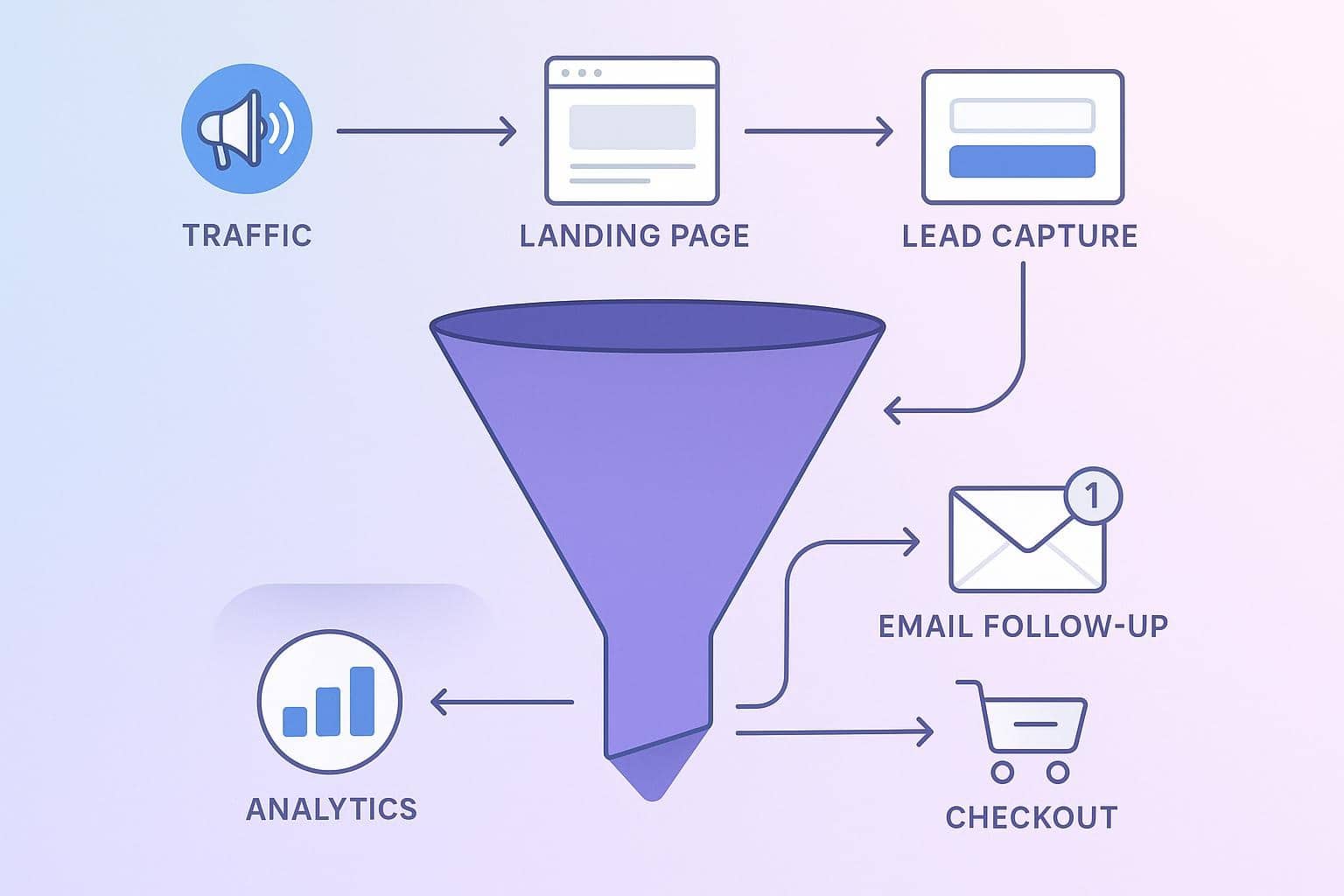
Most funnel builders help with some combination of:
- Landing pages for campaigns, lead magnets, webinars, and offers
- Opt-in forms that collect leads
- Sales pages that explain and position your offer
- Checkout pages for collecting payments
- Order bumps and upsells that increase average order value
- Email follow-up that nurtures leads and customers
- Automation that triggers messages or next steps
- Analytics that show how people move through the funnel
- Integrations with email platforms, payment processors, CRMs, ad platforms, webinar tools, and analytics tools
Some platforms are true all-in-one systems. They try to bring pages, checkout, email, automation, customer management, and reporting under one roof. Others specialize in one strong area, such as landing pages, checkout, or marketing automation.
Neither approach is automatically better. The right choice depends on your offer, traffic source, technical comfort, team size, and growth plan. A coach launching a webinar funnel may need a different setup than an ecommerce brand testing post-purchase offers or an agency building repeatable funnels for clients.
The goal is not to buy the most complex tool. The goal is to choose software that supports the funnel you actually need to launch and improve.
Why Funnel Software Feels Overwhelming When You Are Ready to Launch
The funnel builder market can feel noisy because many tools sound similar on the surface. Almost every platform promises beautiful pages, automation, templates, integrations, and better conversions. But once you start comparing them, the details get messy fast.
You may find yourself asking:
- Do I need an all-in-one platform or just a landing page builder?
- Will this connect with my email tool, payment processor, CRM, or webinar software?
- Am I paying for automation features I will not use for another year?
- Can I launch quickly without hiring a developer?
- Will the templates actually fit my offer?
- What happens if I outgrow the platform later?

This is why choosing funnel software is not just a software decision. It is an operating decision.
If you stitch together too many disconnected tools before you have a clear funnel map, you can lose weeks to technical fixes. One form does not pass data correctly. One payment link does not trigger the right email. One webinar registration step breaks the flow. One analytics gap makes it hard to know where leads are dropping off.
On the other hand, buying a large all-in-one platform before you understand your funnel can create a different problem: you pay for features your business is not ready to use.
A better approach is to map the customer journey first, then choose the simplest software setup that can support it. If you already have a specific tool in mind, such as ClickFunnels, it makes sense to read a deeper platform review before committing. But before comparing individual brands, it helps to understand the main categories.
The Main Types of Sales Funnel Builders You Will See
Most funnel tools fall into a few practical categories. Once you know which category fits your situation, the comparison gets much easier.
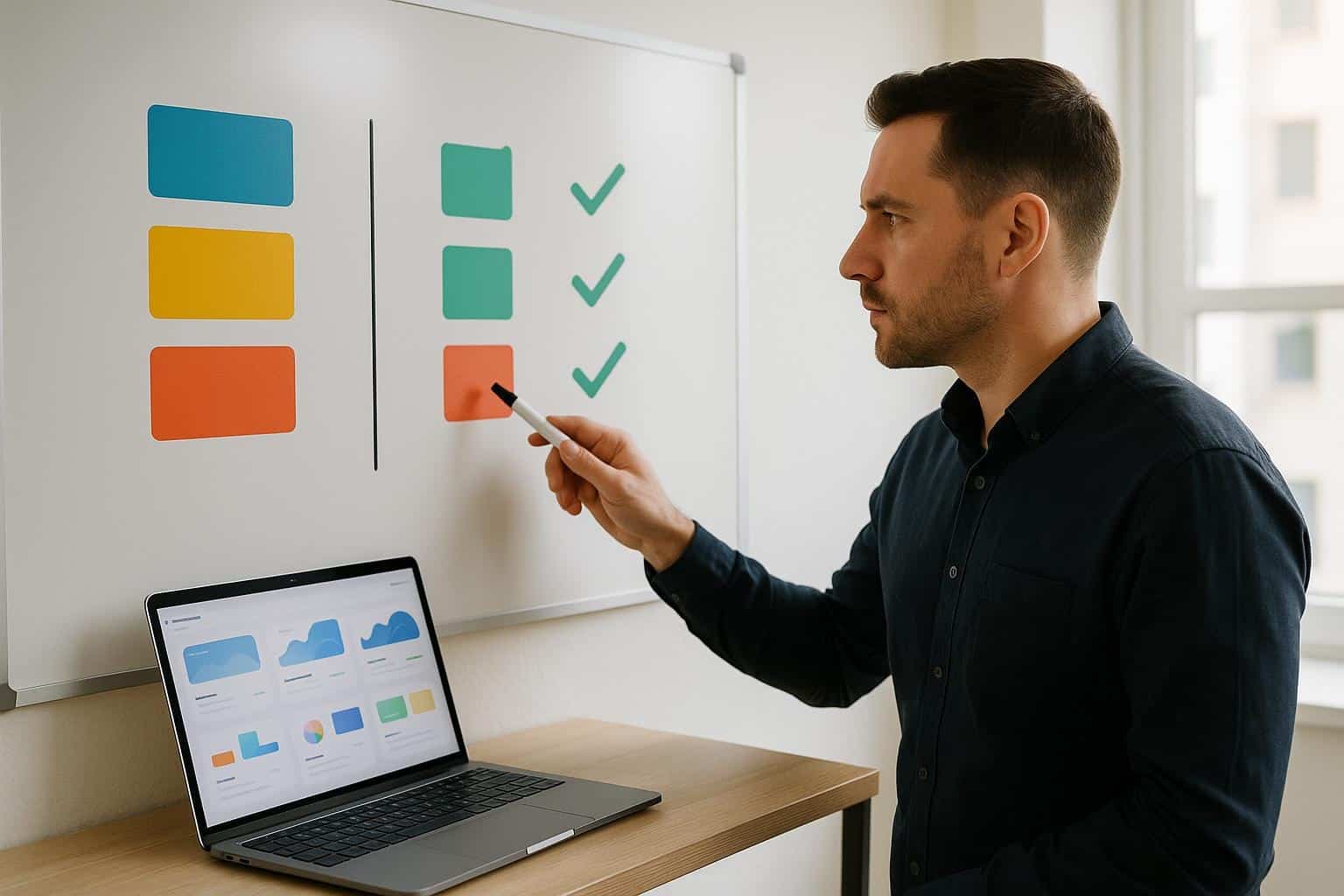
All-in-one funnel platforms
All-in-one funnel platforms are built for people who want pages, forms, checkout, automation, and reporting in one environment. These tools are often attractive to entrepreneurs, coaches, course creators, and marketers who do not want to duct-tape five different systems together.
This type of platform can be useful when your funnel includes multiple steps, such as a landing page, webinar, offer page, checkout page, upsell, and follow-up sequence. It can also be helpful if you want fewer integrations to manage.
The tradeoff is that all-in-one tools may include more features than a beginner needs on day one. They can be worth it when you will actually use the connected workflow, but they are not automatically the best fit for every business.
If you are considering this type of setup, you may also want to compare all-in-one marketing platforms before choosing a funnel builder specifically.
Landing-page-first tools
Landing-page-first tools focus on building pages quickly. They are often a good fit for teams that already have email marketing, CRM, checkout, or automation systems they like.
For example, a marketing team running paid traffic to a lead magnet might only need campaign pages and forms, while the backend follow-up already happens inside another platform. In that case, a lightweight page builder may be cleaner than adopting a full funnel suite.
The key question is whether the tool can connect smoothly to the rest of your stack. A landing page tool is only helpful if leads, purchases, and conversion data flow where they need to go.
Marketing automation platforms with funnel features
Some marketing automation platforms include funnel-style features such as landing pages, forms, segmentation, email sequences, CRM tools, and reporting. These can be powerful for businesses that care heavily about follow-up, lead scoring, ongoing campaigns, or multiple customer segments.
The tradeoff is setup complexity. Automation platforms can be flexible, but that flexibility may require more planning. If your funnel is simple, you may not need that much machinery yet.
Free or low-cost funnel builders
Free or low-cost options can be useful when you are testing an offer, building your first list, or validating demand before investing in a larger platform.
The benefit is obvious: lower risk. The limitation is that free plans and budget tools may have restrictions around pages, contacts, automations, payments, branding, or integrations. That does not make them bad. It simply means they are best used with clear expectations.
If budget is the main constraint, start by exploring free sales funnel builders and look for a tool that can help you test the next step without trapping you in a setup you will immediately outgrow.
How to Choose a Sales Funnel Builder Without Overbuying
The smartest way to choose a sales funnel builder is to start with your funnel, not the software comparison table.
Before you subscribe, write down what you are actually trying to build. A simple lead magnet funnel has different requirements than an evergreen webinar funnel, a course launch, a paid challenge, a product funnel, or a booking funnel for high-ticket services.
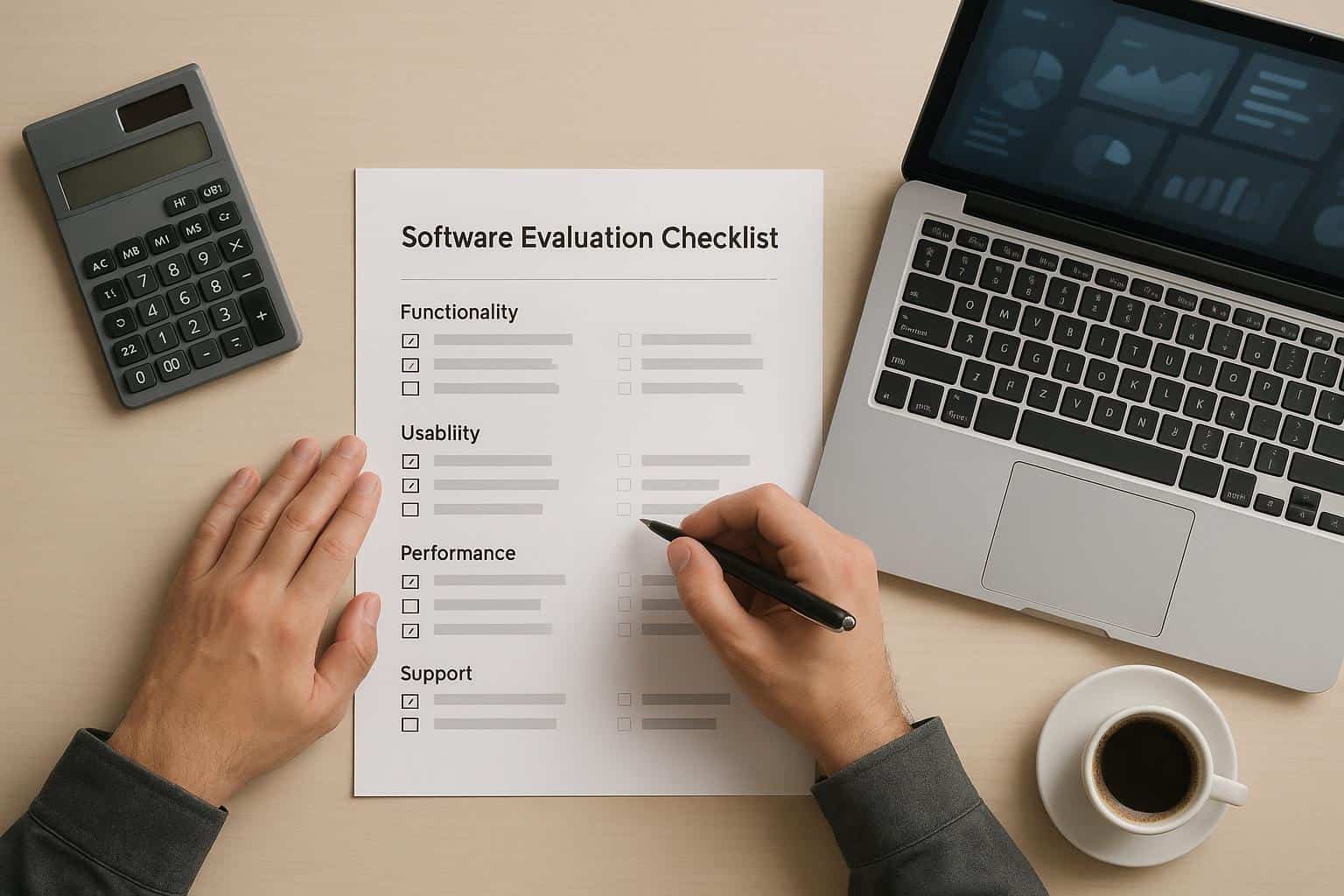
Use these questions to narrow the field:
- What are you selling: a service, course, membership, digital product, physical product, consultation, or event?
- Where will traffic come from: ads, organic search, social media, email, partnerships, affiliates, or referrals?
- How many steps does the funnel need: opt-in, thank-you page, sales page, checkout, upsell, booking, webinar, or follow-up?
- Do you need built-in email follow-up, or do you already have an email platform?
- Do you need checkout, payment plans, order bumps, or upsells?
- Which integrations are non-negotiable for your business?
- How much analytics do you need to make decisions?
- Do the templates match the type of offer you sell?
- Can you realistically use the automation features without outside help?
- Is there room to grow without paying for far more than you need today?
A popular platform can be the right answer, especially if it matches your funnel strategy. But popularity should not be the only reason you choose it. Feature volume should not be the only reason either.
Choose the simplest tool that can handle your next real stage of growth. If you are building your first funnel, you need clarity and speed. If you are scaling paid traffic, you may need stronger testing, checkout, analytics, and follow-up. If you are managing multiple offers or clients, you may need templates, reporting, and repeatable workflows.
For full-featured conversion-focused platforms, it is worth taking the time to see whether ClickFunnels fits your funnel strategy rather than assuming it is right or wrong based on reputation alone.
Where ClickFunnels Fits in the Funnel Builder Landscape
ClickFunnels is one of the most well-known brands in the sales funnel software category. It is commonly considered by marketers, creators, coaches, and online business owners who want to build conversion-focused funnels, landing pages, and marketing workflows in one environment.
Its strong market presence means many buyers encounter it early in their research. That does not mean it is the automatic choice for every business, and it also does not mean it should be dismissed just because alternatives exist.
The better question is fit.
ClickFunnels may be on your shortlist if you want a platform centered around funnel building rather than a generic website builder. It may also be relevant if you are comparing funnel-focused tools against broader platforms such as Kartra, Systeme.io, GetResponse, or other marketing suites.
Because plan details, pricing, and feature sets can change, it is smart to review the current platform carefully before making a decision. If ClickFunnels is already on your radar, read the full ClickFunnels review to understand its strengths, limitations, and where it fits compared with alternatives.
Sales Funnel Builder Features That Matter Most
Once you know the type of platform you need, the next step is separating essential features from nice-to-have extras.
A strong funnel builder does not just let you create pages. It helps every step work together.
Page builder quality
The page builder should be easy enough for your team to use without constant technical support. Look for flexible layouts, mobile-friendly design, reusable sections, fast editing, and templates that fit your offer type.
Beginner teams often benefit from simple templates and clear editing controls. Scaling teams may care more about design flexibility, testing, brand control, and reusable assets.
Opt-in forms and lead capture
If your funnel starts with a lead magnet, quiz, webinar, or consultation request, lead capture needs to be reliable. Forms should connect cleanly to your email follow-up, CRM, or automation system.
A beautiful landing page is not enough if leads do not flow into the right place.
Checkout, order bumps, and upsells
If you sell directly through the funnel, checkout matters. Depending on your offer, you may need payment collection, order bumps, one-click upsells, payment plans, coupons, or post-purchase offers.
For ecommerce and digital product sellers, these features can directly affect revenue per customer. For service providers, a simple payment or booking flow may be enough.
Email automation and follow-up
Many leads will not buy immediately. Email follow-up helps you educate, remind, invite, and sell after the first interaction.
Some funnel builders include built-in email automation. Others integrate with dedicated email platforms. Either approach can work. What matters is that your follow-up is easy to trigger and manage.
CRM or contact management
If your sales process involves calls, applications, segmentation, or longer nurture cycles, contact management becomes more important. You may need to see where someone entered the funnel, what they clicked, what they bought, and what should happen next.
Analytics and testing
At minimum, you need to understand where people are dropping off. Are visitors opting in? Are leads watching the webinar? Are they reaching checkout? Are they accepting upsells? Are emails generating clicks?
A/B testing can be valuable for teams with enough traffic to learn from the data. For beginners, basic visibility may be more important than advanced testing features.
Integrations and portability
Do not ignore integrations. Your funnel builder may need to connect with payment processors, email platforms, CRMs, analytics tools, webinar platforms, ad platforms, forms, calendars, or fulfillment systems.
Also consider lock-in. Can you export contacts? Can you move data if needed? Can the platform work with the tools you already rely on?
More features only matter if they support the workflow you will actually use. A platform full of advanced automation is not valuable if your team cannot operate it consistently.
A Simple Decision Path for Different Online Business Models
The best funnel builder depends heavily on the way you sell. Use the sections below as a quick routing guide.
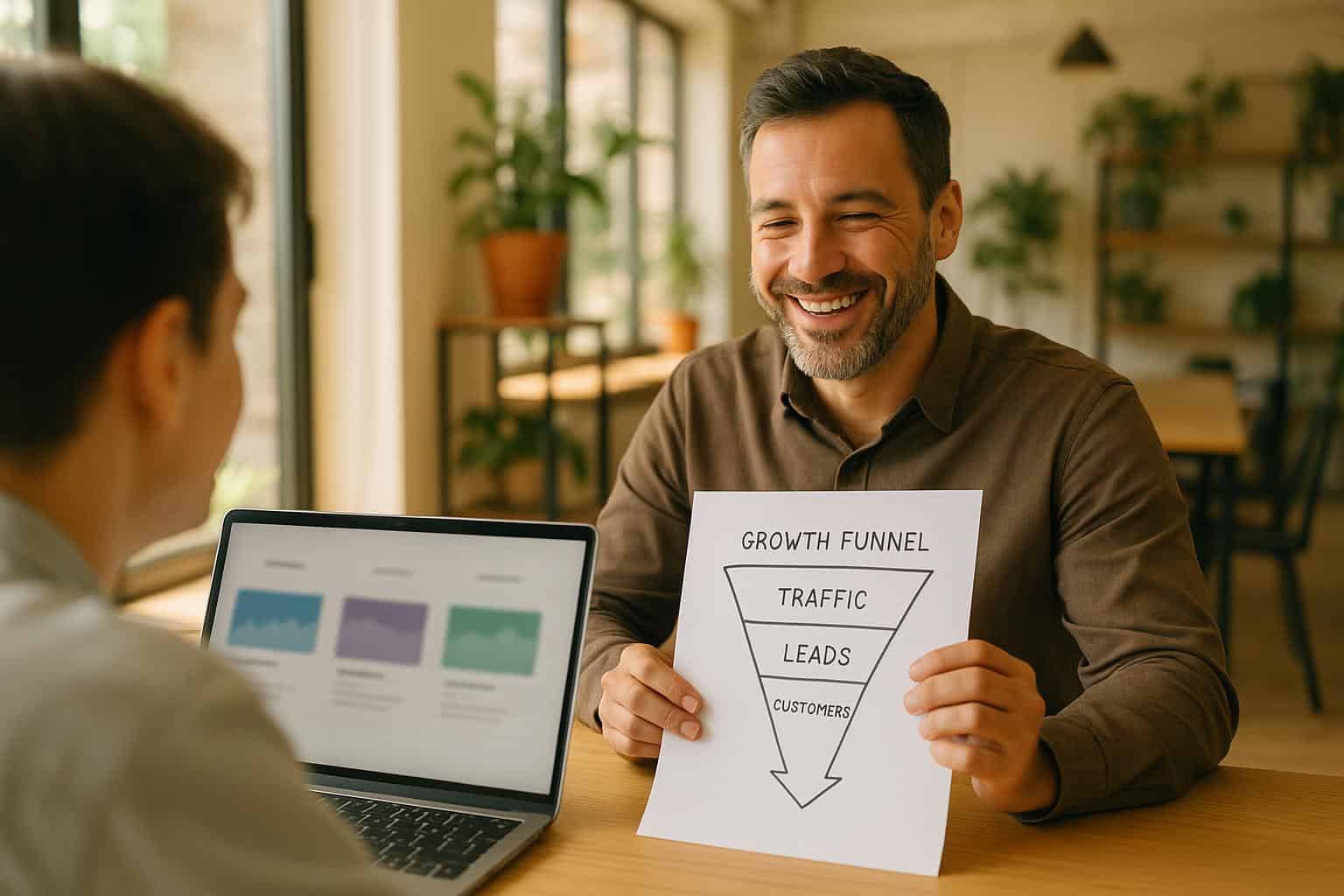
Coaches and consultants
If you sell coaching, consulting, or services, your funnel may revolve around lead magnets, booking pages, webinars, application forms, email follow-up, and simple checkout.
You likely need a tool that makes it easy to capture leads, build trust, invite people to book, and follow up if they do not convert right away. You may not need a huge ecommerce feature set unless you also sell digital products or programs.
Course creators
Course creators often need launch funnels, evergreen webinar funnels, waitlists, payment plans, upsells, and email sequences.
Your funnel builder should support the path from audience building to enrollment. If you sell multiple courses or cohorts, reusable templates and automation can save time.
Ecommerce and product brands
Product sellers may care more about product funnels, checkout flow, order bumps, post-purchase offers, cart recovery, and analytics.
If your funnel is connected to paid traffic, conversion tracking and offer testing become especially important. A small improvement in checkout or upsell performance can make a big difference when traffic volume grows.
Agencies and marketers
Agencies need repeatable systems. That may mean templates, client management, integrations, reporting, permissions, and the ability to build similar funnel structures across multiple campaigns.
The best tool is not just the one that can build a funnel once. It is the one that helps you build, manage, and improve funnels repeatedly.
Beginners testing an offer
If you are just starting, prioritize ease of use, templates, clear setup, free trials or low-cost options, and room to grow.
Your first funnel does not need to be perfect. It needs to be live, trackable, and connected enough to tell you whether people want the offer. If you are budget-sensitive, compare free funnel builder options before committing to a larger platform.
If you want a broader view across paid and full-featured tools, start with a sales funnel software comparison so you can see the landscape before narrowing your shortlist.
Common Mistakes to Avoid Before You Subscribe
A funnel builder can save time, but only if you choose it around a clear strategy. Before you subscribe, avoid these common mistakes.
Choosing software before mapping the funnel
Do not begin with the tool. Begin with the path.
What does someone see first? What action do you want them to take? What happens after they opt in, book, abandon checkout, purchase, or say no? Once you know the required steps, software selection becomes much easier.
Paying for advanced automation too early
Advanced automation can be powerful, but it can also become expensive clutter if your funnel is still simple. If you are validating an offer, you may not need complex branching logic yet.
Buy for the next stage of growth, not for an imaginary version of the business you may build later.
Ignoring integrations
A funnel can break quietly when tools do not connect. Before choosing a platform, confirm how it fits with your email, payments, CRM, analytics, webinar software, calendar tools, and fulfillment process.
If an integration is critical to your business, do not assume it will work exactly the way you need it to. Test it during a trial or pilot.
Assuming templates will create conversions
Templates can help you launch faster, but they do not replace positioning, offer clarity, audience fit, copywriting, pricing, or follow-up.
A template gives you structure. Your strategy gives people a reason to act.
Skipping a small pilot funnel
Before moving your entire business into a new platform, build one small funnel. Test the page, form, checkout, emails, tracking, and integrations. Make sure the workflow makes sense before committing fully.
This is especially important with larger platforms. If you are considering ClickFunnels or a similar funnel-focused system, read a deeper review first, then test the parts that matter most to your business.
Where to Go Next: Compare Options or Read a Deeper Review
The best sales funnel builder is the one that matches your offer, workflow, budget, technical comfort, and growth stage.
If you want to compare the category broadly, start with the best sales funnel software guide. If you are trying to keep costs down while testing an offer, explore free sales funnel builder options. If you are specifically evaluating ClickFunnels, read the dedicated ClickFunnels review before you commit.
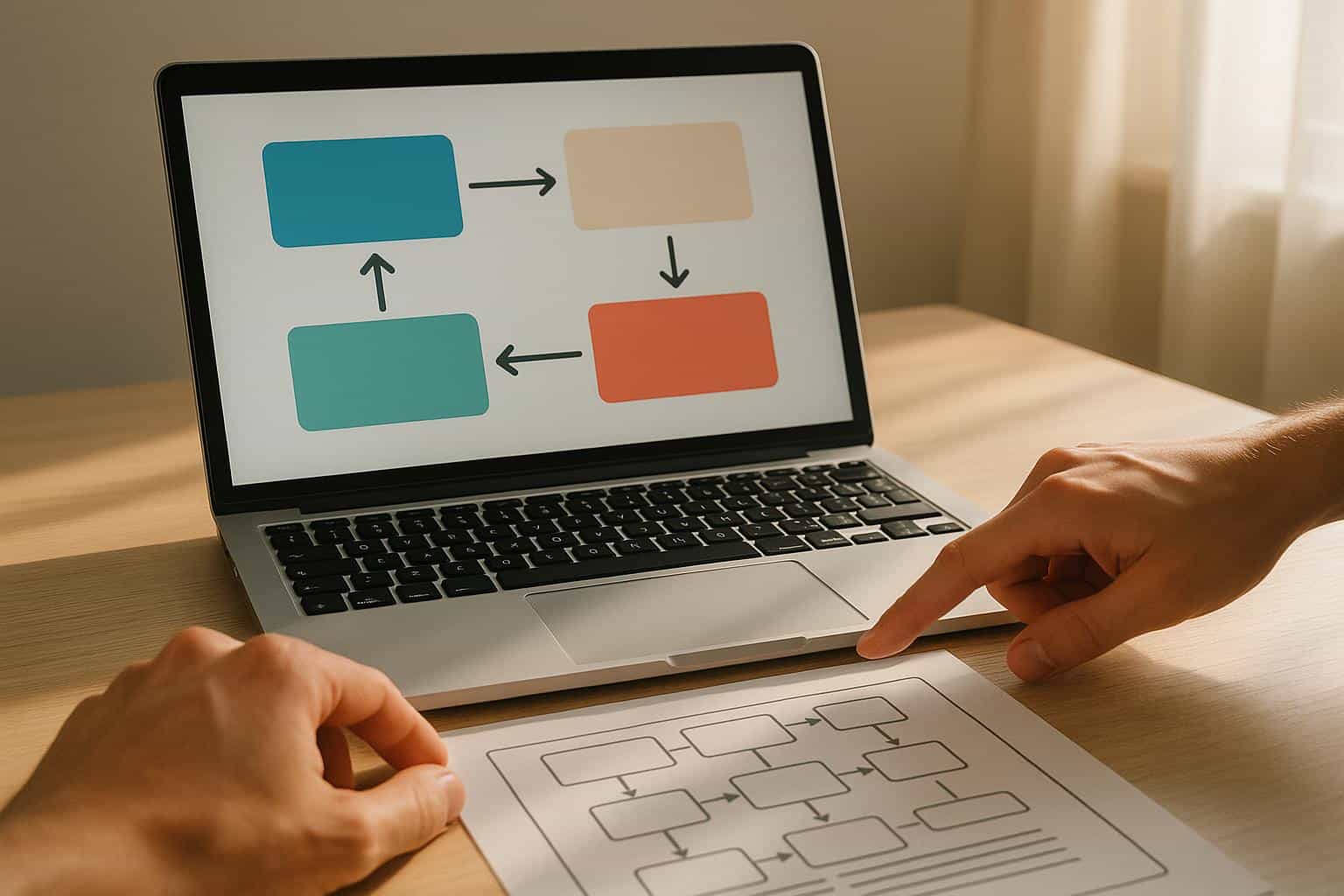
You do not need to become a software technician to build a better online sales process. You need a clear funnel, a tool that supports it, and enough visibility to improve it over time.
Choose the next guide that matches where you are right now, and use it to narrow your decision with confidence.

Want marketing built on real data?
Pages, content, funnels, and competitor intelligence — fixed prices, built and delivered on your site. No scoping calls.
See the menu and pricesQuestions first? Book a free call.

Trevor Bart
I've spent 20+ years buying traffic and building funnels, and now run an AI-powered research-and-build system that does the work of an agency team. This site runs on it. See the services.