
In this guide you’ll learn:
- How to find high-intent “money keywords” that actually convert.
- Exactly how to structure reviews, comparisons, and guides so Google (and readers) love them.
- Backlink strategies that move the needle for affiliate sites—without burning your budget.
- A practical system to scale from a handful of posts to a durable, commission-driven brand.
Mini-CTA: Read on and implement each step—then grab the Free Affiliate SEO Checklist at the end to put this plan on rails.
Introduction: Why SEO Is the Lifeblood of Affiliate Marketing
Affiliate marketing looks simple: publish helpful content, add tracking links, collect commissions. The part most beginners underestimate is distribution. If nobody sees your content, the model collapses.
Organic search fixes that. Multiple industry studies consistently show that the majority of discoverable website traffic originates from search. More importantly for affiliates, searchers arrive with clear intent. Someone scrolling past a social ad is curious; someone typing “best treadmill under $1000” is shopping now. That intent gap is the difference between impressions and income.
So why do so many affiliate sites stall at a few dollars a month? Three reasons come up again and again:
- Wrong keywords. New publishers chase giant, generic terms where mega-sites dominate.
- Thin or misaligned content. Reviews don’t answer what searchers actually want to know.
- No authority signals. Without backlinks and internal topical depth, great articles languish on page 4.
The fix is not magic; it’s a repeatable system. I’ll walk you through it step-by-step—exactly how I (Trevor Bart, 15+ years in SEO, funnels, and direct-response) structure, optimize, and scale affiliate sites so they attract consistent, compounding organic traffic. For a big-picture playbook, see Ultimate Affiliate Profits.

Step 1: Nail Keyword Research for “Money Pages”
Keyword research is 80% of affiliate SEO. Pick the wrong battles and nothing else matters.
The Trap: Vanity Keywords
Terms like “best headphones”, “protein powder”, or “credit cards” lure beginners with big volume—but they’re owned by Amazon, CNET, Healthline, NerdWallet, and banks. Competing head-on is a losing game.
The Shift: Buyer-Intent Long Tails
Look for phrases that prove the searcher is solution-aware and close to purchase. Hallmarks include modifiers (best/cheapest/under $X), comparisons (A vs B), brand terms + review, and demographic qualifiers (for seniors, for beginners, for small spaces). These get fewer searches but convert 5–10× better because intent is surgical.

A Repeatable Process
- Seed the space. List products/problems. Ex: home fitness → treadmills, rowers, mats. SaaS → keyword tools, content optimizers. If you’re still picking a lane, start with low-competition niche ideas and this roundup of the best affiliate niches in 2025.
- Mine tools smartly. In Ahrefs/SEMrush, filter KD ≤ 30, volume 100–3,000, include modifiers like “best”, “vs”, “under”, “review”.
- Validate intent. Google the term. If the top results are independent publishers and comparison posts, you’re in scope. If brands and marketplaces dominate, skip.
- Cluster by theme. Group related long tails under a pillar to build topical authority and interlinking opportunities. If you want help mapping clusters, check out Topical Maps – SEO Revolt.
- Prioritize by ROI. Favor keywords where you can recommend multiple offers, feature price anchors (under $X), and add unique angles (space-saving, quiet, beginner-friendly).
Mini Case Studies
- Fitness niche: Pivoted from “best treadmill” to “best treadmill under $800 for small apartments.” Reached top 3 in five months, ~1,700 visits/month, steady $300–$400 commissions.
- SaaS niche: Skipped the head term “SEO tools” and pursued “SurferSEO review” + “Ahrefs vs SEMrush for affiliates.” Two posts plus 8 quality links → ~$1,200/mo recurring.
- Kitchen niche: “Best blender for protein shakes under $100” outperformed broader variants and became the site’s first $400/mo single URL.
Buyer-Intent Keyword Examples (Start Here)
| Keyword | Volume | KD | Intent | Why It Works |
|---|---|---|---|---|
| best treadmill under $1000 | 2,100 | 22 | Commercial | Budget intent, multiple picks |
| ahrefs vs semrush | 1,900 | 28 | Commercial | Direct comparison, tool buyers |
| surferseo review | 1,300 | 17 | Commercial | Brand + review = high intent |
| best protein powder for seniors | 720 | 19 | Commercial | Demographic specificity |
| standing desk under 200 | 650 | 21 | Commercial | Price-sensitive shoppers |
| best keto meal delivery | 540 | 25 | Commercial | Service affiliate, recurring |
| cheap hosting for beginners | 1,200 | 23 | Commercial | Entry-level SaaS |
| grammarly vs prowritingaid | 900 | 20 | Commercial | Writer audience, sticky |
| peloton alternatives under 500 | 450 | 18 | Commercial | Sub-niche opportunity |
| best hiking boots for flat feet | 800 | 16 | Commercial | Pain-point qualifier |
| quiet portable air compressor | 500 | 14 | Commercial | Feature qualifier |
| espresso machine under 300 | 1,100 | 20 | Commercial | Price anchor, strong CRO |
 Prioritize keywords that allow a “pick list” (3–7 products) plus a buyers’ guide. That combo keeps readers engaged, increases dwell time, and raises your chance of winning featured snippets. For help choosing a niche, start with these low-competition ideas.
Step 2: On-Page SEO That Ranks and Converts
Choosing the keyword is half the battle. Now you must package your content so readers and Google both say “yes”.
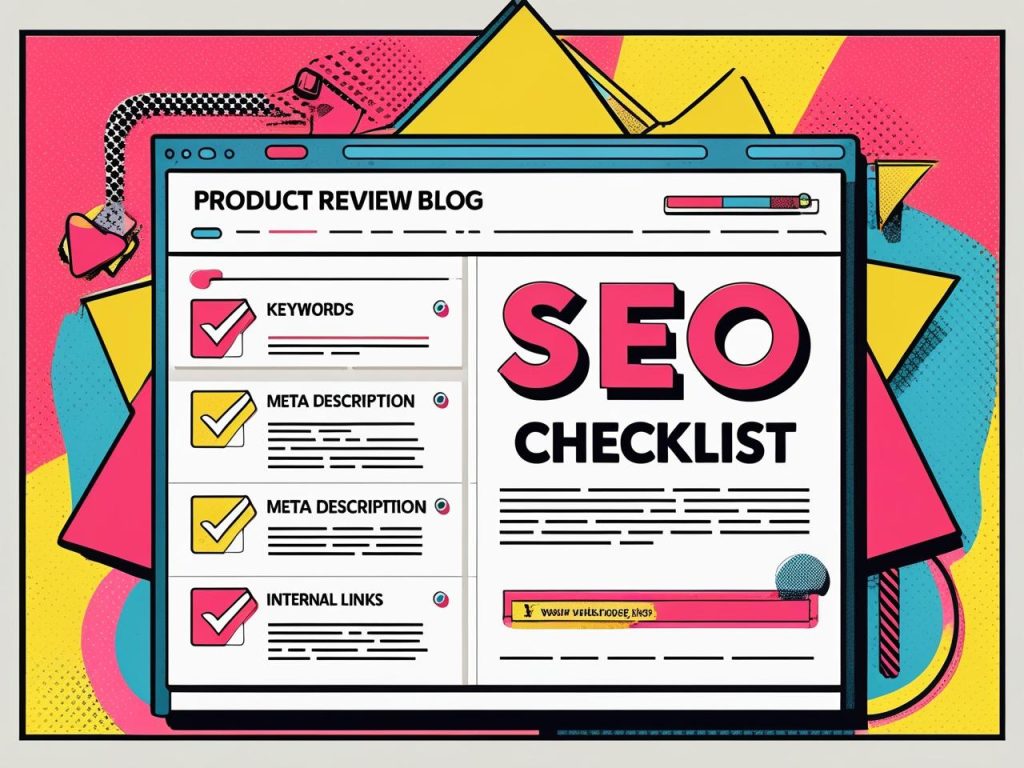
Anatomy of a High-Converting Affiliate Post
- Headline – Clear, specific, includes the primary keyword naturally.
- Lead paragraph – Empathize with the problem, promise a clear outcome.
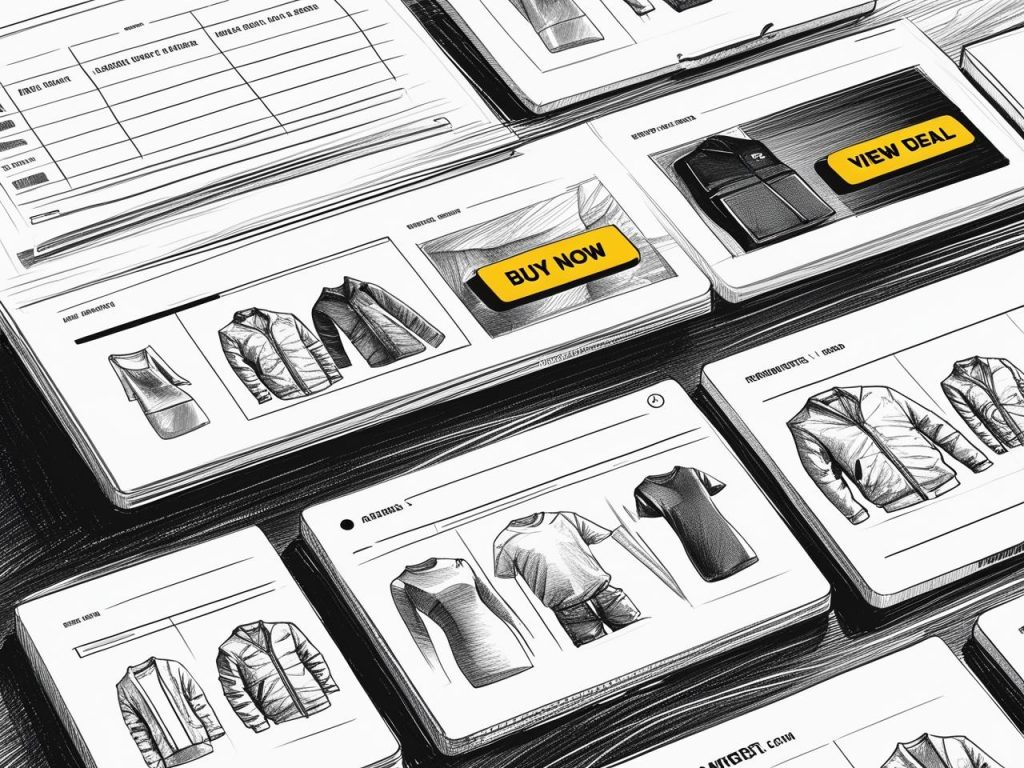
- Comparison table above the fold – Quick answers ≠ pogo-sticking back to SERPs.
- Individual reviews – What it’s best for, key specs, pros/cons, verdict.
- Buyer’s guide – Criteria, pitfalls, alternatives; build topical authority.
- FAQs – Intent cleanup: answer related queries; fuel rich snippets.
- Strong CTA – “See price,” “Get trial,” or “Compare on official site.”
If you’re new to WordPress layouts and page structure, follow my step-by-step setup here: Start a Blog (WordPress Guide).
Before vs After: Real Copy Upgrade
- Before: “This treadmill is affordable and has good reviews.”
- After: “At $799, the [Brand Model] adds 12% incline, Bluetooth speakers, and a lifetime frame warranty—the best sub-$1,000 choice for small apartments and beginners.”
Sample Outline: “Best Protein Powder for Women Over 50”
- Intro: muscle preservation, digestion, calcium balance.
- [Image – keywords: “happy active woman 50+, light weights, natural light”]
- Comparison table: top 5 picks with protein/serving, carbs, sweetener, price/oz.
- Reviews: each product’s use case (low-carb, sensitive stomach, budget, plant-based).
- Buyer’s guide: how to read labels, common additives to avoid, doctor caveats.
- FAQs: “Is whey safe for menopause?” “How much protein per day?”
- CTA: “See today’s price” + link to checklist.
On-Page Checklist (Use every time)
- Primary keyword in Title, H1, first 100 words, conclusion.
- Semantic variations (LSI): budget treadmill, compact treadmill, quiet motor.
- Short paragraphs, scannable subheads, bullets; aim for readability first.
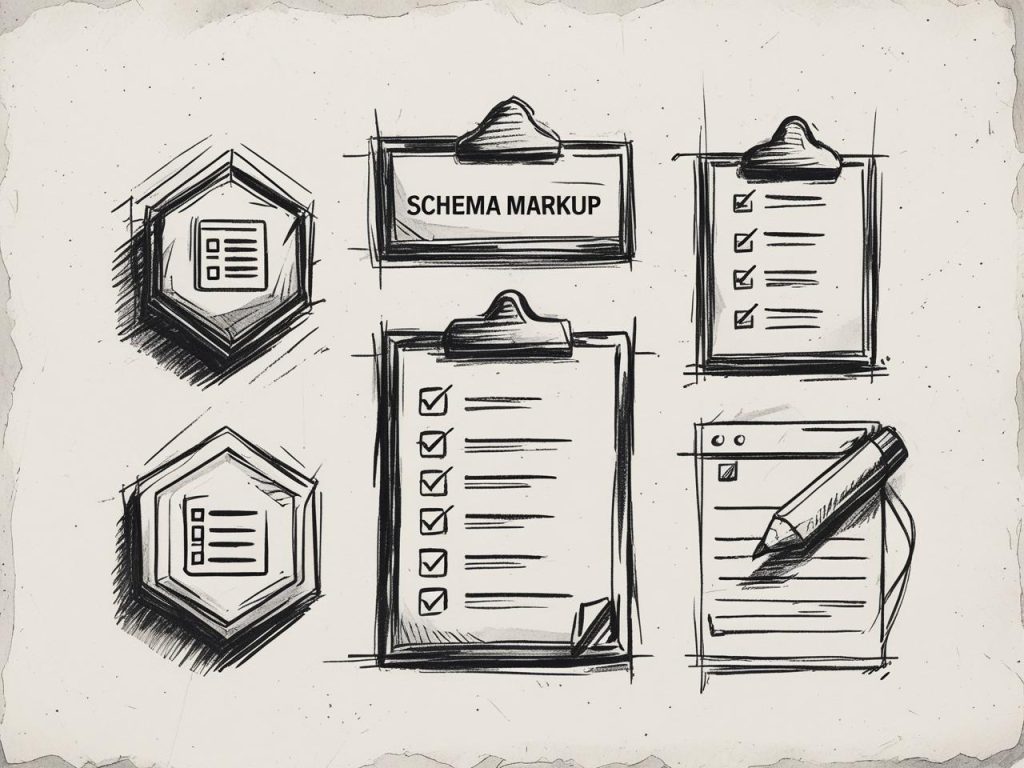
- Review + FAQ schema; descriptive image alt text.
- Internal links to pillar and sibling posts; external links to credible sources.
Step 2.5: Content Strategy—Pillars, Clusters, and Interlinking
Random posts don’t build authority. Architecture does.
- Pillars are your “ultimate guides” (3,000–5,000 words) that cover a topic end-to-end.
- Clusters are specific posts (reviews, comparisons, how-tos) that support the pillar.
- Interlinking flows from clusters → pillar → cluster, with contextual anchors.
Example (Home Fitness):
Pillar: Home Cardio Equipment: The Complete Buyer’s Guide
Clusters: Best treadmill under $1000; Best rowing machine for apartments; Treadmill vs elliptical for bad knees; Quiet exercise bikes for small spaces.
Every cluster links up to the pillar (and to siblings where relevant).
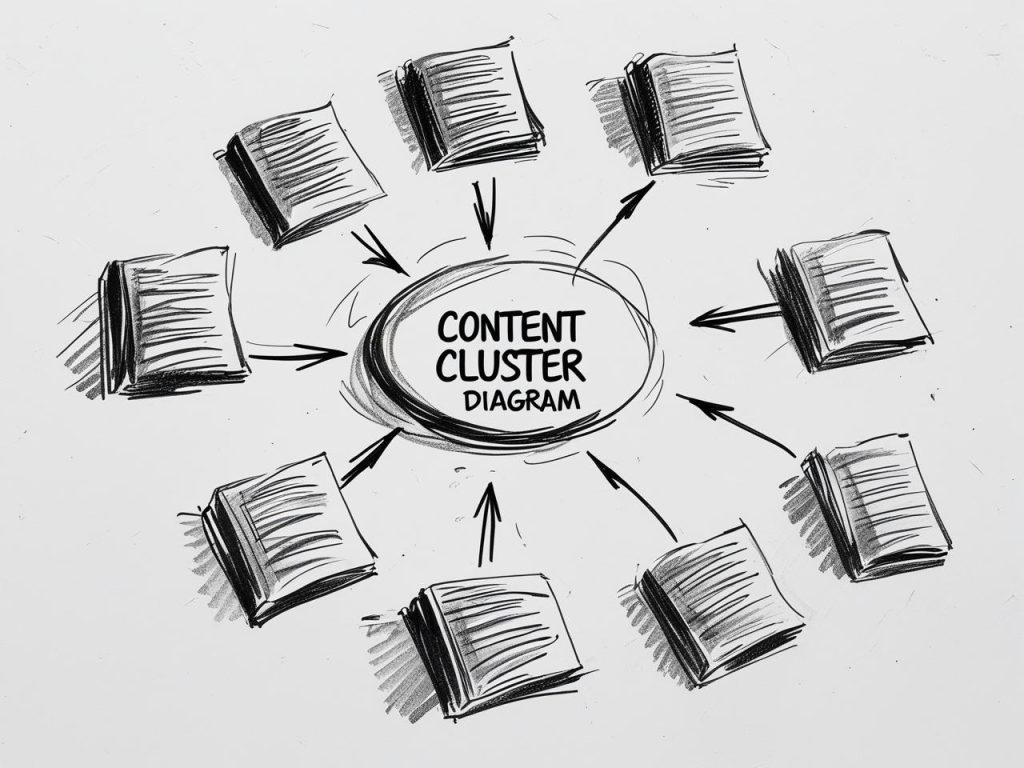
Result: faster indexing, better topical signals, longer sessions, and more internal opportunities to place your affiliate CTAs naturally. For a complete strategy walkthrough, see Ultimate Affiliate Profits or get hands-on help building clusters with Topical Maps – SEO Revolt.
Step 3: Build Backlinks That Move the Needle
You don’t need 1,000 links—you need the right 20–50. Focus on relevance, real sites, and diversified anchors.
Tactics That Work
- Guest posting – Offer practical, non-fluffy content to adjacent blogs. Ask for a contextual link to your pillar or best money page.
- Resource pages – Search: “keyword” + resources, recommended tools, helpful links. Pitch your guide as an addition.
- HARO / journalist requests – Provide quotable insights; earn authority links that lift the whole domain.
- Skyscraper refresh – Find a dated top post with many links; publish a deeper, current version; reach out to those linkers.
- Niche edits (curated insertions) – Pay or negotiate to add a natural link to an existing, relevant post.

Copy/Paste Outreach Starter (Personalize lightly)
Subject: Quick idea for a helpful article on [Site Name]
Hey [Name], loved your piece on [Topic]—especially the part about [Specific].
I recently published a practical guide on [Your Topic] that readers have used to [Outcome].
If you’re open to guest contributions, I can draft a 1,200–1,600 word tutorial that complements your [Related Post].
Either way, I think your [Resources/Tools] page might benefit from this summary: [1-sentence value].
Cheers,
Trevor
Link Type ROI (Reality Check)
| Link Type | Difficulty | Cost | Power | Best Use |
|---|---|---|---|---|
| Guest Post | Medium | $50–$200 | High | Control anchors; niche-relevant |
| Resource Link | Low | Free | Medium | Authority + occasional referral |
| HARO/Press | High | Free | Very High | Sitewide trust; DR lift |
| Skyscraper | High | Time | High | Evergreen topics |
| Niche Edit | Medium | $30–$100 | Medium | Fast boost if relevant |
Case Study—Finance: 15 guest posts + 5 HARO mentions in four months moved Best Budgeting Apps from page 5 to top 3; earnings rose to $3,000+/mo.
Case Study—Travel: A single Forbes mention (HARO) lifted domain ratings; rankings increased across 12 money pages without additional links.
Step 4: Systematize and Scale (SOPs that Save You)
Once you’ve proven the model on 3–5 posts, operationalize it.
- Batch research 30–50 keywords into clusters mapped to pillars.
- Create templates for reviews, comparisons, and list posts.
- Briefs for writers include SERP intent, target word count, subhead outline, internal links, and CTA placement.
- Edit for E-E-A-T: add first-hand notes, photos, test data, or quotes from credible sources.
- Track outreach in a simple CRM or spreadsheet; schedule follow-ups.
12-Month Growth Plan (Example)
| Quarter | What you do | Output Targets | Expected Impact |
|---|---|---|---|
| Q1 | Foundation | 12 posts, 10 quality links | First page impressions, early sales |
| Q2 | Authority | +15 posts, +20 links, refresh 5 URLs | Win mid-tail terms, rising CTR |
| Q3 | Scale | +18 posts, +20 links, add 1 pillar | Multiple top-3 rankings |
| Q4 | Defend & Optimize | Update winners, prune losers, add 1 new cluster | Higher RPMs and stability |
Where to reinvest: first $1–2K/month → content, then strategic links, then design/UX that improves trust and CTR. When you’re ready for personalized help, consider a Revolt360 Consultation.
Step 5: Tools That Make This Easier (and What to Skip)
You don’t need everything—you need the right stack.
Budget Stack (lean build):
– Google Search Console (indexing + performance),
– Google Keyword Planner / Ubersuggest (directional research),
– Grammarly/Hemingway (clarity).
Pro Stack (faster growth):
– Ahrefs or SEMrush (deep research + competitor intel),
– SurferSEO (on-page NLP scoring and outlines),
– Screaming Frog (tech audits at scale),
– A page builder like Elementor or Thrive Architect (clean, fast layouts).
| Tool | Best For | Why It Matters | Typical Cost |
|---|---|---|---|
| Ahrefs | Keywords + links | Largest link index; content gap | $99+/mo |
| SEMrush | Competitors | Position tracking; ads intel | $119+/mo |
| SurferSEO | On-page | NLP suggestions; content score | $49+/mo |
| Screaming Frog | Tech SEO | Crawl issues; redirects; speed | Free–$259/yr |
| GSC | Tracking | Direct Google data | Free |

Mistakes to Avoid (Costly—but Common)
- Volume over intent. 10 visitors who are ready to buy beat 1,000 grazers.
- Thin content. If your post doesn’t answer the query better than the top 3, it won’t stick.
- Neglecting updates. Winners decay without refreshes; schedule quarterly reviews.
- Over-optimizing anchors. Mix branded, generic, and partial-match anchors to stay natural.
- Ignoring UX. Slow pages and chaotic layouts kill rankings and conversions.
- AI without editing. Add experience signals: photos, test notes, receipts, quotes.

Quick Wins Checklist (Do These First)
- Pick 5 buyer-intent keywords and outline posts today. For niche inspiration, start here: Low-Competition Niches.
- Publish one optimized review with a comparison table and FAQ schema.
- Secure 3 links (1 guest post, 1 resource page, 1 HARO).
- Add 10 internal links between related posts + pillar.
- Set up weekly GSC reviews; tag wins/losses; refresh 1 URL/month.
- Download the Affiliate SEO Checklist to codify your SOPs: Get the free checklist.
FAQs (Read This Before You Publish)

How long until I see results?
Plan on 3–6 months for first-page impressions and 6–12 months for stable, meaningful traffic—faster for ultra-niche long tails, slower for competitive SaaS/finance.
Can I rank without backlinks?
Sometimes—for very specific long tails with weak SERPs. But for most money terms you’ll need at least a handful of relevant links and a solid internal link graph.
How many posts should I publish in year one?
Aim for 30–50 high-quality URLs across 2–3 clusters feeding one cornerstone pillar. Quality beats sheer volume.
What niches are best for beginners?
Evergreen, product-rich spaces with clear buying criteria: fitness accessories, kitchen appliances, hobby gear, entry-level SaaS. See low-competition niches and best niches in 2025.
Do I need schema?
Yes. Review and FAQ schema improve visibility and CTR. Validate with Rich Results Test before publishing.
Are expired domains worth it?
Advanced tactic. Domain history risks (toxic anchors, spam neighborhoods) can outweigh benefits for beginners. Build clean unless you can audit thoroughly.
What’s a safe link velocity?
Natural. A few links per month early, rising as content output grows. Sudden spikes with exact-match anchors can trip filters.
How should I handle product availability and price changes?
Use modular tables you can update quickly. Add a “Prices last checked on [date]” note to build trust.
Should I add video?
Yes. A simple explainer or hands-on B-roll can win video snippets and increase time on page. Embed YouTube; repurpose into Shorts.
Is AI content okay?
Use AI for outlines and drafts, then inject your experience: tests, photos, unique data. That’s how you satisfy E-E-A-T and stand out.
What KPIs matter most at first?
Impressions and average position in GSC for target queries, then CTR, then RPM/EPMP once traffic lands. For a deeper dive on numbers, see Sales Funnel Metrics That Matter.
How often should I update posts?
Quarterly for money pages; immediately after major product or pricing changes.
What if a competitor copies my table?
Let them. Keep iterating—add testing notes, new picks, better visuals, and fresh data. Originality compounds.
Do I need a disclosure?
Yes. Add a clear affiliate disclosure near the top and in the footer. It’s required and builds trust.
How do I speed up indexing?
Internal links from indexed pages, XML sitemaps, fetch in GSC, and—when appropriate—link from social profiles and relevant forums. If you’re building asset sites, this pairs well with directory websites.
Conclusion & Next Steps
SEO for affiliate marketing is not a gamble; it’s a system. Choose buyer-intent keywords, publish useful, trustworthy content, earn relevant links, and scale with simple SOPs. Do that for a year and your “ghost town” turns into a durable asset that pays you every month.
Next: download the Free Affiliate SEO Checklist and turn this guide into an action plan for the next 90 days. If you want to accelerate, the stack I recommend is Ahrefs, SurferSEO, and SEMrush—paired with clean, fast pages built in Elementor or Thrive Architect. For strategy depth, read Ultimate Affiliate Profits or book a Revolt360 Strategy Consultation.

Want marketing built on real data?
Pages, content, funnels, and competitor intelligence — fixed prices, built and delivered on your site. No scoping calls.
See the menu and pricesQuestions first? Book a free call.

Trevor Bart
I've spent 20+ years buying traffic and building funnels, and now run an AI-powered research-and-build system that does the work of an agency team. This site runs on it. See the services.